How to Return a The Shoe Company Order: 60-Day Wording, Documents, and Store Versus Mail
An actionable return checklist using current product-page terms: purchase-date timing, unworn condition, original packaging, online versus store routes, and unverified mail-fee limits.
Disclosure: This page may contain affiliate links. They do not influence our editorial conclusions. Read the disclosure.
Our pick
- See price at The Shoe Company
Top pick
The Shoe Company
The Shoe Company is a Designer Brands Canada footwear and accessories retailer at theshoecompany.ca. Current official FAQs describe Canada-only delivery and sto...
What this guide covers
- 011. Establish where and when the purchase happened
- 022. Check condition before doing anything irreversible
- 033. Separate store returns from mail returns
- 044. For an online order, assemble a complete record
- 055. Obtain current mailing instructions before dispatch
- 066. Treat exchanges as a separate question
For a The Shoe Company return, the clearest starting point we could verify is the wording displayed on its product pages: returns and exchanges in-store for online and store purchases, mail returns for online purchases, and up to 60 days after purchase. Items must be unworn and accompanied by the stated packaging and documents.
This guide turns that wording into a practical checklist. It was checked November 18, 2026, using accessible official product pages, the general customer-service FAQ, and the Shoe VIP terms. The dedicated shipping-and-returns page returned only an application shell during our checks. We therefore do not quote an unverified mail-label fee, warehouse address, or alternative shipment-date clock from an older draft.

1. Establish where and when the purchase happened
Find the receipt or order-confirmation email before deciding how to proceed. The product-page terms use “after an item was purchased” for the 60-day period. They do not describe that basic clock as beginning with first wear, a gift being opened, or a later decision that the size is wrong.
Record the purchase date and the date on which you plan to return. If the purchase was a gift, the recipient may need information from the buyer to establish that timeline. Do not assume a gift's occasion date replaces the transaction date.
The accessible text does not settle every deadline-edge case, such as whether a mailed parcel must be dispatched or received by day 60. If close to the limit, obtain clarification before paying for postage. The safest planning approach is to act early, not rely on the most generous interpretation of wording that does not expressly answer the question.
2. Check condition before doing anything irreversible
The product pages require items to be unworn and in their original packaging and/or box. They also call for the order-confirmation email and packing slip. Keep those materials together while deciding whether to keep the product.
For shoes, this means a return policy should not be treated as permission to use them outdoors for several weeks. Dirt, wear, or lost packaging can create a problem even when the calendar window is still open. If you need to assess fit, ask the retailer what it permits while preserving the unworn condition requirement.
Do not mark, alter, clean aggressively, or modify an uncertain pair in an attempt to make it work before resolving eligibility. That is practical advice for preserving options, not a separate written retailer rule. If an item arrived damaged or appears defective, ask about the appropriate process rather than assuming the ordinary change-of-mind route covers every situation.
3. Separate store returns from mail returns
The verified product-page paragraph accepts returns and exchanges in-store for both online and in-store orders. It accepts returns by mail for online orders only. A purchase originally made at a physical store is therefore not covered by the mail-return permission in that paragraph.
For an online purchase, an in-person return may remove the need to mail a parcel, but verify the receiving location and its current procedure before traveling. The accessible product text does not spell out every cross-brand or special-location exception, so we do not promise that any related retail counter must accept it.
For a store purchase, bring the original sales receipt and ask which documents staff require for that transaction. The generic online product paragraph mentions order emails and packing slips, which a physical-store purchase may not generate. Do not invent a rule that a store shopper must somehow produce an online confirmation they never received.
4. For an online order, assemble a complete record
Keep the order number, purchase date, item name, style or item identifier, selected size and width, and the payment record accessible. Match the product you are returning to its order line, especially if several sizes or colors were ordered together.
The product pages explicitly name the confirmation email and packing slip. If either is missing, ask how the retailer can identify the purchase before sending an undocumented parcel. A photograph or saved copy of the relevant records can also help you track what was included, although the official text reviewed does not say a photograph replaces the required documentation.
Do not send sensitive payment details in an unsolicited message. A retailer generally needs enough information to locate an order, not a public posting of a complete card number. Use its current official contact route and follow the instructions it gives for that order.
5. Obtain current mailing instructions before dispatch
The accessible product wording confirms a mail route for online returns but does not provide a complete step-by-step label or warehouse procedure. We could not verify the detailed policy page, so this guide intentionally gives no fixed return-postage amount and no copied return address.
That limitation matters. An outbound shipping label, a company's corporate mailing address, and a return-processing destination are not automatically interchangeable. Do not send shoes to an address simply because it appears in a footer. Obtain the current return destination and any authorization or label instructions through the official route.
Also ask whether the label or postage cost will be deducted from the refund and how it is calculated. A full item refund does not necessarily mean every associated delivery expense is refunded. The verified text does not establish a free-postage guarantee, so build no budget on that assumption.
Retain dispatch proof and tracking if you mail the return. Keep a record of the parcel contents and the instructions followed. These are sensible recordkeeping measures, not evidence that the retailer mandates a particular carrier in every case.
6. Treat exchanges as a separate question
The product pages expressly mention in-store exchanges. Their mail sentence refers to returns, not a detailed mail-exchange process. That is not enough for us to promise that writing a replacement size on a parcel will trigger an exchange.
If you want a different size, ask whether an eligible store exchange is possible or whether the correct route is a return followed by a new purchase. Do not assume replacement stock is held while a parcel travels. The retailer's FAQ says store inventory is not updated in real time, so even an apparent stock indicator deserves confirmation.
A new purchase may have a different price or availability from the original one. The verified sources do not establish universal price protection during an exchange. Resolve that question before assuming you can return one variant and buy another on identical terms.
7. Check membership benefits without extending them yourself
The Shoe VIP terms, dated February 1, 2026, list 60-day in-store returns for Insider members and 365-day in-store returns for Influencer members. The latter tier is reached after $300 in calendar-year spend under the program terms.
The words “in-store” matter. A 365-day benefit is not proof of a 365-day mail-return right. It also does not, in the short benefit paragraph we reviewed, cancel the product's condition requirements. Confirm membership status, the applicable purchase, and any eligibility details with the retailer rather than treating the tier name as a universal exemption.
Our Insider-versus-Influencer guide explains the verified benefits and a separate inconsistency in how the terms describe returned rewards. If a reward was used on the purchase, ask what happens to it before assuming the refund restores the original purchasing power.
8. Verify the financial outcome and keep the paperwork
The FAQ says a purchase made with a gift card or store credit and later returned goes back onto store credit. It also says those balances are for in-store redemption and are not refundable for cash. That is different from receiving a refund to a card you can spend elsewhere.
The loyalty terms say points earned on returned merchandise are deducted. They contain conflicting wording about whether a redeemed reward can be reissued; do not assume a return leaves every loyalty benefit intact. Ask for an explanation tied to your transaction if the difference is material.
The accessible sources reviewed did not establish a universal refund-processing deadline for mail returns. Keep the return acknowledgement, dispatch record if relevant, and refund documentation, then use the retailer's official support route if the stated process is unclear.
For purchases still being planned, see our delivery guide and price guide. The Shoe Company affiliate redirect may earn Brands Review a commission. This checklist explains verified wording and its limits; the retailer decides eligibility under its current terms.
References
Meet your guide
Lipeiguan
author
What to read next
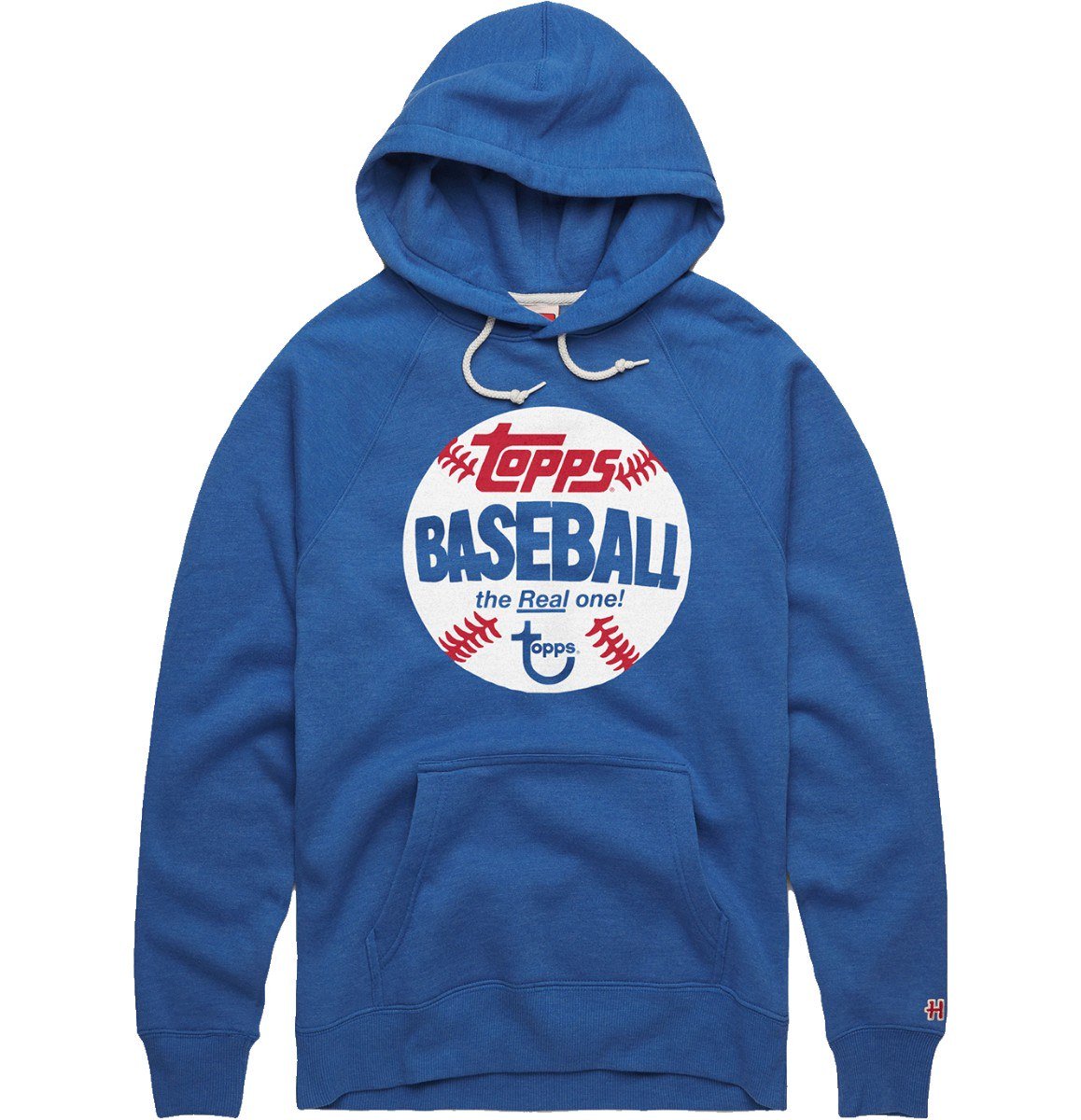 Topps Apparel Price Guide: Four Listings, Sold-Out Signals, and a Practical Fanwear Budget Four checked Topps apparel listings from $24.99 to $68, including a sold-out $38 tee, illustrate product identification, availability limits, and shipping-threshold arithmetic with...
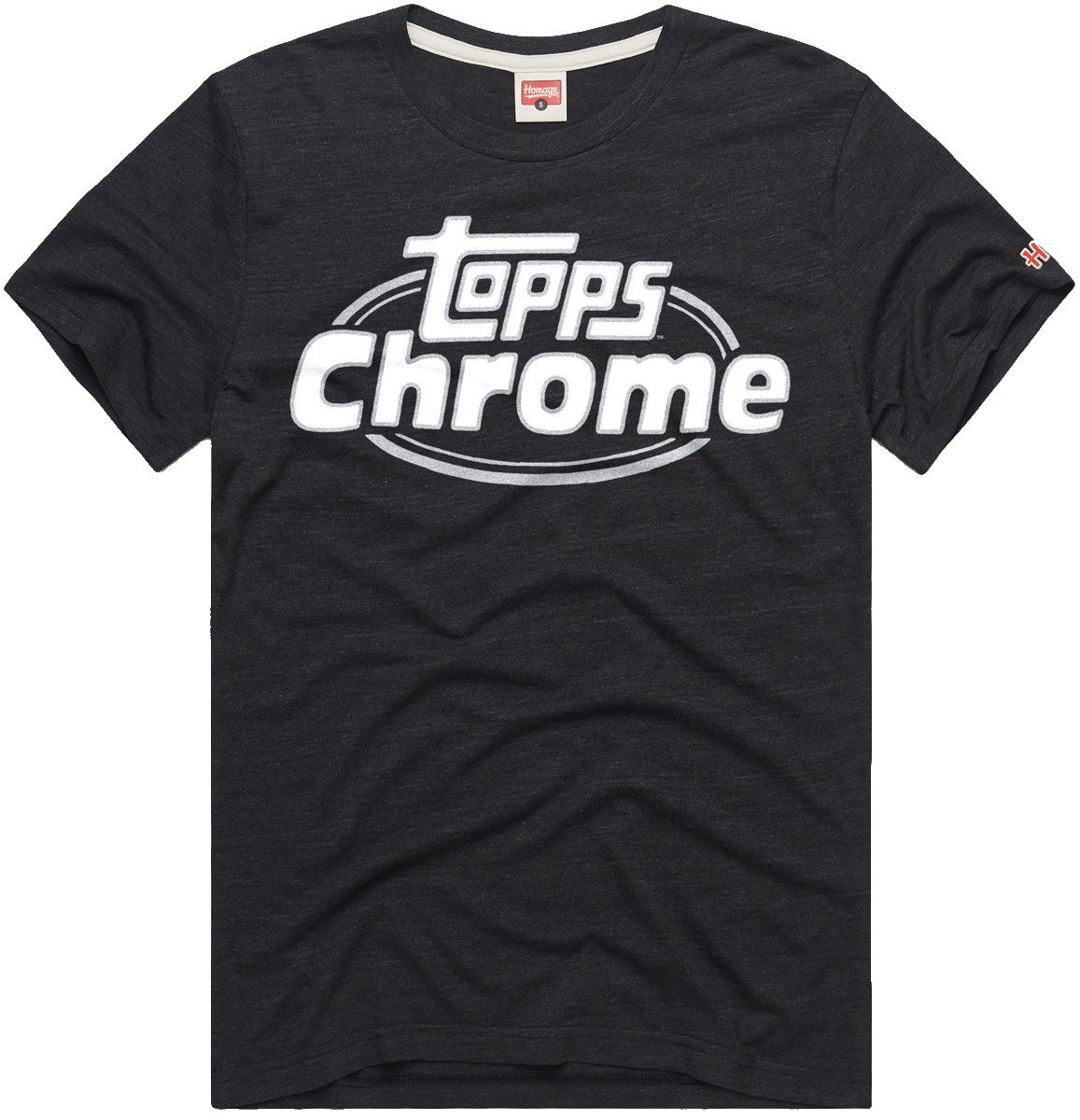 How to Return a Topps Order, Including All-Sales-Final Hobby Rules and 30-Day Apparel Returns How official Topps.com store policies and support pages describe all-sales-final rules for trading cards and hobby products, 30-day apparel returns from the ship date, memorabilia... Topps Real One Blue Hoodie Review: $68 Listing, Homage Design, and Fit Questions A source-based review of the Topps x Homage Real One Blue Hoodie, its $68 listing, tri-blend fabric, relaxed unisex fit, sizing information gaps, and apparel-return considerations.